
What began as a high school coding club collaboration has evolved into a groundbreaking elder care solution that’s saving lives across the country. Mercury Alert, founded by Brandon Peck and Ji Lee, has developed an AI-powered monitoring system that’s making quality care accessible to families nationwide.
The journey began in Arlington, Virginia, where Peck, now CEO and a former Data and Applied Scientist at Microsoft, founded his high school’s coding club. There, he connected with Ji Lee over their shared interest in fall detection technology. Their early collaboration proved promising, leading to a first-place victory in the 2015 Microsoft Imagine Cup and laying the foundation for what would become Mercury Alert. They went to college, leaving the project for a while, and decided to pick it back up later, realizing it still was a problem that hadn’t been solved.
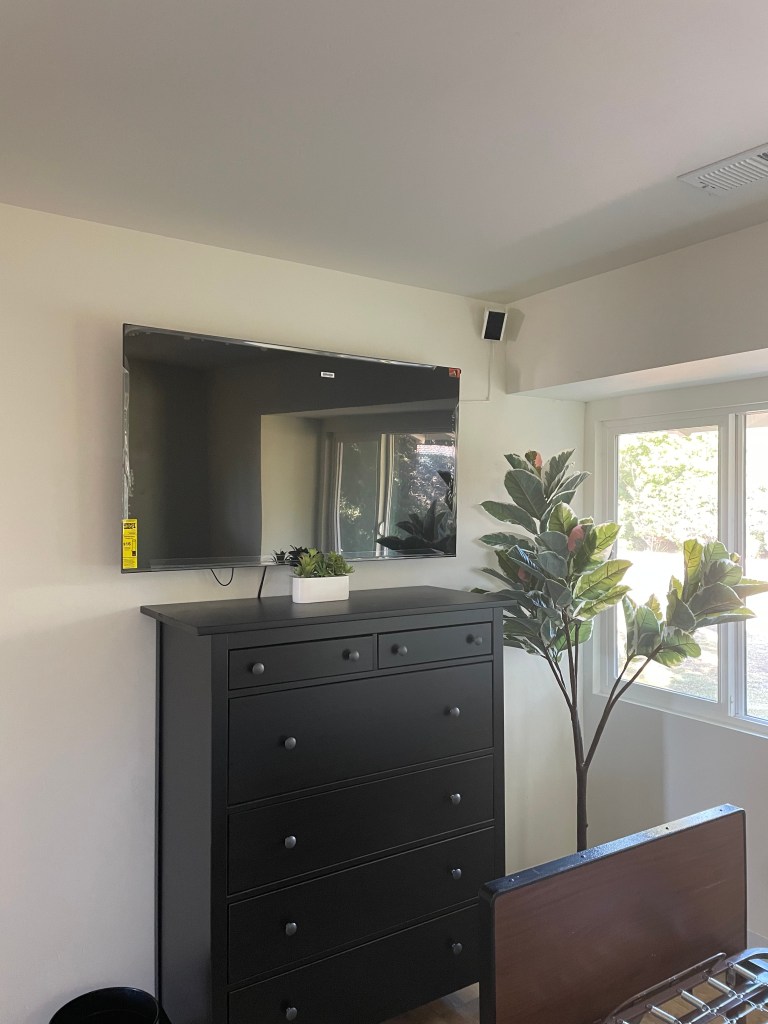
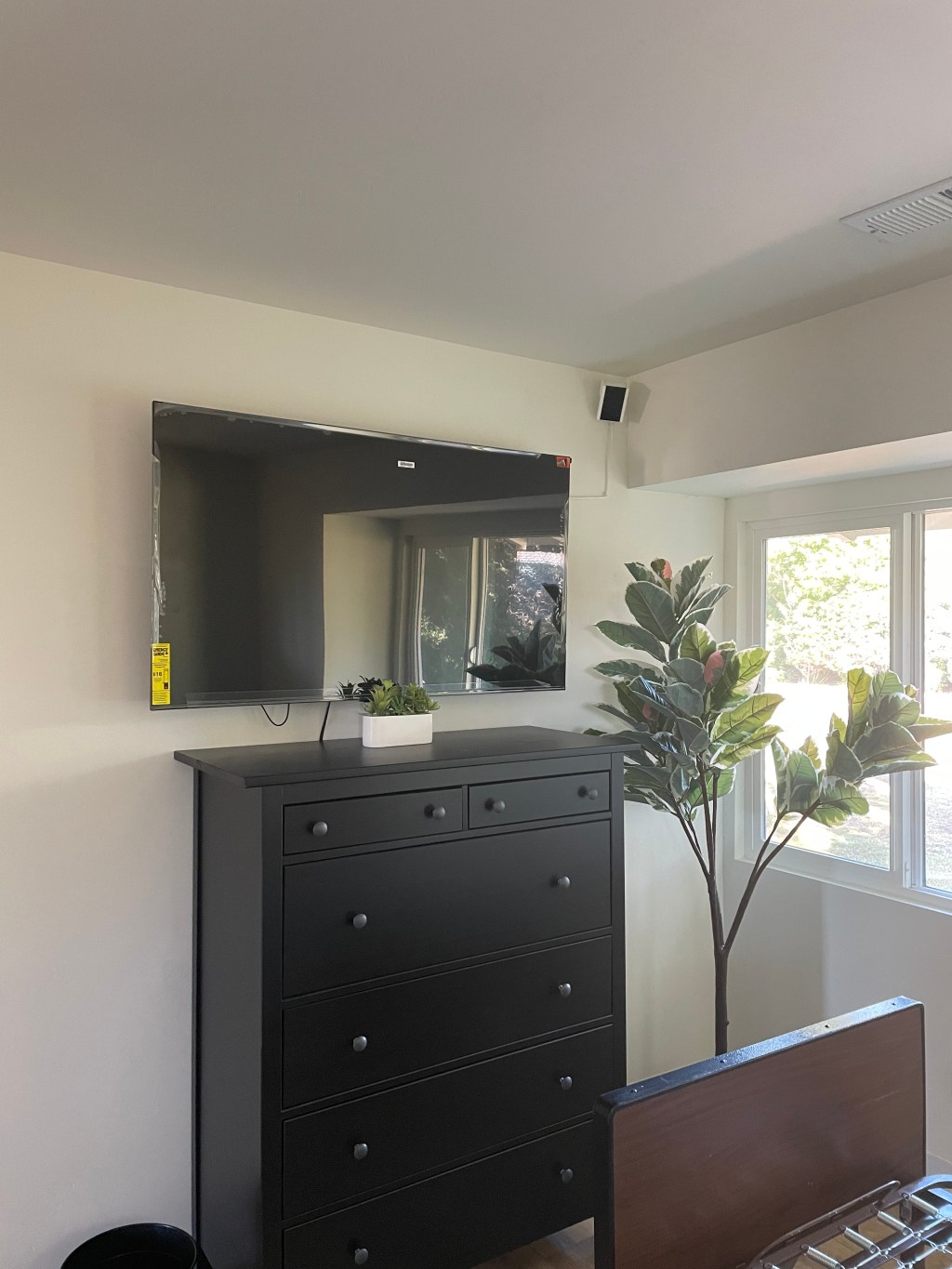
Their solution is elegantly simple: a non-intrusive device that mounts on the wall and passively monitors for safety concerns. When emergencies occur, such as falls or when residents don’t return to bed at night, the system automatically alerts registered contacts. Most families opt for multiple devices, typically placing them in bedrooms, living rooms, and kitchens to ensure comprehensive coverage.
“Medical pendants, like Life Alert, have been around for so long and aren’t a great solution,” explains Peck. “They require user compliance with wearing them, pressing buttons, and charging devices. There’s no peace of mind for families because they have no awareness of what’s happening.”
The system’s sophisticated AI can detect a range of activities that caregivers typically monitor. “I designed the system to detect everything that a caregiver looks for,” Peck notes. “It can tell when someone sits up at the side of the bed, stands, leaves the room, returns to bed, and of course, falls on the ground.” The technology provides daily safety score updates via text message and comprehensive baseline analytics, leveraging Peck’s expertise from his time at Microsoft.
The motivation stems from personal experience. “There’s this shadow society of older adults needing to be monitored, with not enough people to do it,” Peck shares. “They end up uncared for and suffering on the ground for many hours. Both Ji and I have stories like this with our grandparents.”
Mercury Alert is particularly transformative in nighttime care, offering an affordable alternative to traditional caregiving. While a full-time caregiver can cost upwards of $4,000 per month, Mercury Alert’s subscription service is available for just $55 per month, making professional-level monitoring accessible to many more families in need.
Privacy concerns are carefully addressed in the system’s design. “There is a fundamental tradeoff between privacy and safety,” Peck explains. “You can’t know if someone’s unsafe without knowing what’s happening. That said, we let the algorithm passively monitor, which in many cases is more private than a physical caregiver checking in the room all night long. It’s more like a calculator checking if someone is safe or not.” All data is encrypted, HIPAA-compliant, and kept solely for the user’s benefit.
Co-founder Ji Lee, who heads business sales and graduated from UCSD, was instrumental in securing the company’s place in the UCSD Stage to Med Tech Accelerator program and developing crucial industry connections with major homecare and senior living businesses. Lee reflects on the diverse challenges of building a startup: “You have to be very versatile. Some days I’ve installed devices, other days I’ve been in business meetings with huge partners. The fundamental thing that stays the same is that every action works towards our shared vision for the future.”
“We really want to help as many people as possible,” Lee adds, “and it leaves us with a good feeling applying this technology in such a positive way.”
What’s particularly impressive about Mercury Alert is its role as an intensive training ground for emerging tech talent. The core technology was primarily developed by students under Peck’s expert guidance, with many team members going on to secure positions at industry giants including Microsoft, Amazon, Google, Meta, and Palantir. “I just wanted to update you that I received a SWE internship offer from Meta for next summer,” one student recently wrote to Peck. “Thank you again for being such a great mentor and teacher over the past summer. I really appreciate the skills and insights you shared that helped get me here.”
The company’s innovative approach has attracted significant investment from prestigious sources, including the Wharton Alumni Angel group, MIT faculty, and the president of one of their home care agency companies. Their impact is also being recognized within the industry. In 2023, Peck was invited to speak as an AI panelist at the Medical Alert Monitoring Association conference, presenting their vision to senior leadership of the largest corporations in the industry. While initially met with gentle skepticism as the industry underdog, the recent explosion in AI capabilities has transformed these reactions into serious attention.
“Our vision is to have our devices monitoring every older adult who needs care, providing an affordable solution,” Peck explained at the conference. This ambitious goal, once seen as challenging for a startup, now seems increasingly achievable as the company continues to expand its reach. Currently serving hundreds of seniors, Mercury Alert is rapidly scaling its operations to make quality care accessible to more families in need.
For those interested in learning more about monitoring solutions for elderly loved ones, visit mercuryalert.ai or reach out to the founders directly at contact@mercuryalert.ai
 Artificial Intelligence Inquiry
Leave a comment